Casinos That Accept Money Orders – Is It Worth the Wait?
In the ever-evolving landscape of online gambling, payment flexibility remains a cornerstone of player satisfaction. Among the myriad of deposit methods, casinos that accept money orders carve out a unique niche for players who prioritize financial prudence over instant gratification. But does this traditional payment rail hold up in an era of lightning-fast crypto transactions and instant e-wallets? Let's dissect the mechanics, the merits, and the maddening delays. 🎰
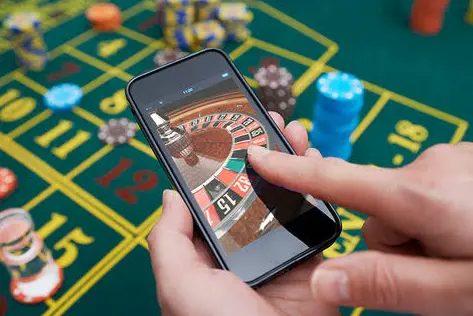
The Mechanics of Money Order Deposits in Online Casinos
A money order, essentially a prepaid instrument issued by financial institutions like Western Union or MoneyGram, functions as a secure alternative to cash. When you choose a casino that accepts money orders, you're initiating a transaction that requires physical procurement, mailing, and manual clearing. The operator receives the instrument, validates its authenticity, and credits your player account—typically within 5 to 10 business days. This is not a process for the impatient. However, the upside is monumental: no bank account linkage, no credit checks, and absolute anonymity for players who value discretion. The money order casino deposit method effectively acts as a firewall between your personal banking ecosystem and your gambling activities.
Why High Rollers and Privacy Advocates Gravitate Toward This Method
Sophisticated punters understand that transactional anonymity is a finite resource. While e-wallets and credit cards leave a digital paper trail, money orders provide a tangible, trace-resistant medium. Reputable gambling platforms that accept money orders often cater to a demographic that has been burned by bank-imposed gambling blocks or aggressive anti-fraud algorithms. Furthermore, these instruments are prepaid, which means you cannot overspend—a built-in responsible gambling mechanism that credit-based deposits lack. For players executing a casino money order deposit, the psychological comfort of a hard spending ceiling is invaluable.

The Operational Friction: Processing Times and Clearing Protocols
Here is where the excitement wanes. The primary drawback is the latency. Unlike a cryptocurrency transfer that settles in minutes, a money order must undergo physical processing. You purchase it at a pharmacy or post office, mail it to the casino's financial department, and wait for the compliance team to verify it. During peak seasons or for first-time depositors, this can stretch to two weeks. In an industry where a weekend tournament starts in hours, this delay is a dealbreaker for many. Additionally, not all platforms reimburse the purchase fee—which typically ranges from $1 to $5—meaning your effective deposit is slightly lower than face value.
Fee Structures and Limits: What the Fine Print Reveals
Regulated operators that accept money orders usually impose strict limits. Minimum deposits often start at $20, while maximums can cap at $5,000 per instrument. Transaction fees vary wildly: some absorb the cost as a promotional gesture, while others pass it to the player or charge a separate processing fee. Always verify the casino's banking page for a schedule of charges. A critical consideration is the currency conversion fee if your money order is issued in a currency different from your player account. These micro-costs erode the value proposition, making the wait even less palatable.
Security and Regulatory Compliance in Money Order Gambling
From a compliance standpoint, money orders are treated as monetary instruments under anti-money laundering statutes. Licensed casinos must report suspicious transactions and verify the source of funds for large deposits. This means you may be asked to provide identification or proof of purchase. While this adds a layer of scrutiny, it also ensures that you are dealing with a legitimate, audited operator rather than a fly-by-night operation. The inherent security of a money order—it cannot bounce like a personal check—reduces chargeback fraud risk for the merchant, which occasionally translates to better bonuses for the player.
Strategic Use Cases: When the Wait Is Actually Worth It
Despite the sluggishness, there are scenarios where this payment method shines. If you are planning a long-term bankroll build and want to enforce strict deposit discipline, the friction is a feature, not a bug. It prevents impulsive reloads during a losing streak. Similarly, if you are locked out of traditional banking rails due to regional restrictions, a money order is a reliable lifeline. The key is to initiate the deposit well in advance of any promotional event or major sporting fixture you intend to bet on. Patience, in this context, is not just a virtue—it is a strategic asset.
The Verdict on Velocity Versus Security
The decision to utilize a casino that accepts money orders hinges on your personal hierarchy of needs. If you demand instant gratification, this is not your lane. But if you prioritize transactional privacy, spending discipline, and a secure paper trail that shields your primary bank account, the wait is a small price to pay. The landscape of gambling payments is diverse for a reason: one size never fits all. For the discerning player who values control over speed, the money order remains a viable, if archaic, tool in the modern bettor's arsenal. 🎲